Dementia and Alzheimer's - Causes, Symptoms, and Strategies for Prevention
A simple guide to understanding dementia and Alzheimer’s, including key symptoms, possible causes, and practical prevention strategies for better brain health.
Robin Botkin
6/2/20265 min read
Can Dementia Be Prevented?
I want to tell you about two people you probably know. Bruce Willis was stricken with Aphasia, a condition that falls under the umbrella of dementia. To Bruce and his family, this condition was a devastating diagnosis.
And for me, this is personal.
My dad was sharp. I mean, genuinely, impressively sharp. Well-read, articulate, the kind of man who could hold a room with his words alone. He prided himself on his intelligence and his ability to communicate. So watching dementia take that from him, piece by piece, after a series of small strokes that went unchecked, was one of the hardest things I have ever witnessed. I was his primary caretaker. I saw what this condition does to a person mentally, emotionally, and physically. It does not just take memory. It takes identity.
That experience changed me. And it made me want to talk about this, openly, in hopes that someone reading this gets a head start I wish my dad had.
So let us get into it.
First, What Are We Actually Dealing With?
Dementia is not one disease. It is an umbrella term for a range of conditions that cause memory decline and cognitive impairment. Right now, over 55 million people worldwide are living with it, according to the World Health Organization. By 2050, that number is projected to hit 139 million. That is not a niche health concern. That is a global crisis moving toward us in slow motion.
And here is something worth sitting with. Dementia does not care who you are. Ronald Reagan. Rita Hayworth, Robin Williams, and Bruce Willis. All were talented, successful, celebrated people. All of them were touched by this condition. If you have been thinking dementia only happens to other people, I want to gently challenge that assumption.
A Natural Approach to Prevention
Let me be straight with you. The medical community is clear that dementia, particularly Alzheimer's disease, has no definitive cure. I am not here to tell you otherwise. But research referenced in the National Library of Medicine suggests that a multi-layered approach, including lifestyle changes, can meaningfully impact cognitive health. It may delay the onset. It may slow the progression. And given the alternative, that is worth every bit of attention we can give it.
As someone who has spent years exploring holistic wellness and natural remedies, here is what the research points to.
Teas, Herbs, and Roots Worth Knowing
Ginkgo Biloba. This herb has been used in Traditional Chinese Medicine for centuries. It carries antioxidant properties and is believed to improve blood flow to the brain, which supports memory and focus. Research has not locked down a definitive verdict, but studies show promising results in people with mild cognitive impairment, which is often a precursor to dementia.
Curcumin. This is the active compound in turmeric, that bright yellow spice sitting in your cabinet right now. Curcumin is anti-inflammatory, antioxidant-rich, and one of the few compounds that crosses the blood-brain barrier. Researchers are genuinely excited about its potential for neuroprotection and slowing cognitive decline.
Bacopa Monnieri. Known in Ayurvedic medicine as Brahmi, this herb has a long history of use for memory and cognitive support. Studies suggest it improves learning, memory retention, and processing speed, particularly in people with mild cognitive decline.
Lion's Mane Mushroom. If you have not heard of this one yet, pay attention. Lion's Mane stimulates the production of nerve growth factor, which supports the growth and survival of brain cells. Research is still ongoing, but early findings point to real benefits for memory and cognitive function.
Omega-3 Fatty Acids. Found in fatty fish like salmon and mackerel, omega-3s are fundamental to brain health. They support neuronal function and studies suggest consistent intake may help prevent cognitive decline. If you are not eating fatty fish regularly, a quality supplement is worth considering.
Beyond Supplements: Lifestyle Choices That Actually Move the Needle
Mindfulness and Meditation. This is not just a wellness trend. Regular meditation improves focus, memory, and emotional regulation. Over time, it builds what researchers call cognitive reserve, essentially your brain's resilience against decline.
Regular Exercise. You do not need to train for a marathon. Walking, swimming, dancing. Movement increases blood flow to the brain, promotes the growth of new brain cells, and improves cognitive function across the board. Your brain responds to exercise the same way your muscles do. Use it or lose it.
A Brain-Boosting Diet. Fruits, vegetables, whole grains, healthy fats. Limit processed foods, refined sugar, and saturated fats. Your brain runs on what you feed it. Full stop.
Quality Sleep. Seven to eight hours. Not as a luxury but as a biological requirement. While you sleep, your brain consolidates memories, clears out cellular waste, and repairs itself. Consistently cutting sleep short is one of the fastest ways to accelerate cognitive decline.
Try this sleep-enhancing ergonomic cervical pillow: https://amzn.to/4dTDAeZ
Social Connection. This one surprises people. Loneliness and social isolation are significant risk factors for dementia. Maintaining real relationships, spending time with people who matter to you, and engaging in community, these things protect your brain in ways no supplement alone can replicate.
Bonus: Mental Exercises to Keep Your Brain Sharp
Think of your brain as a muscle. If you stop challenging it, it weakens. Here are nine exercises that research supports for cognitive health.
Crossword puzzles improve vocabulary, memory, and problem-solving. Doing them regularly keeps multiple areas of the brain active.
Sudoku builds logic, concentration, and pattern recognition. It pushes your brain to think strategically and hold information simultaneously.
Brain training apps like Lumosity, Peak, and BrainHQ offer targeted exercises for memory, attention, and processing speed. They meet you where you are and adapt as you improve.
Memory games, like classic card matching, sharpen short-term memory and focus. Simple and surprisingly effective.
Try this book of memory games - https://amzn.to/4e7bZrH
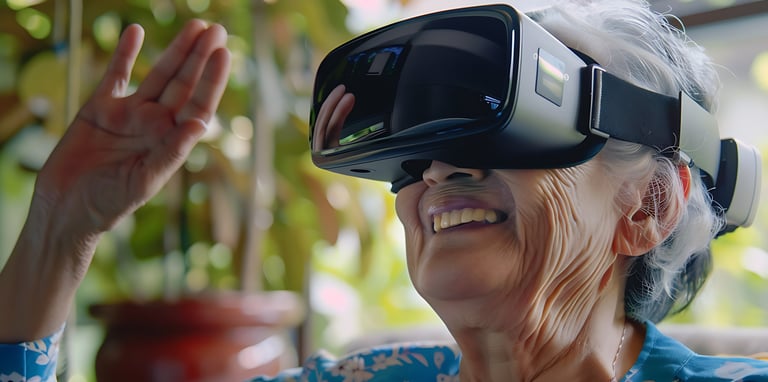
Also, with the advent of AI and virtual reality, a lot of elderly up in age think they can’t do video games, mobile games or virtual reality. In fact, using virtual reality is one of the best ways to keep your mind and body sharp. Stay tuned for future blog posts on how this works, what nursing homes and assisted living centers are saying about how engaging VR is and their patients love it. Of course, we will explain the safe guards in how to use VR/AR.
Here’s a good place to start: https://amzn.to/4dSP5mR
Reading and writing stimulate the brain in ways passive entertainment does not. Writing a journal, a story, or even a long, thoughtful email counts. Your local library also offers online access to large print and audio books if standard reading is difficult.
Learning a new skill activates different areas of the brain and builds neuroplasticity, your brain's ability to form new connections. A new language, a musical instrument, a new craft. Pick something that genuinely interests you.
Mental math keeps reasoning, memory, and attention sharp. Skip the calculator occasionally. Work through it in your head.
Strategy games like chess and checkers build planning, foresight, and problem-solving. They require your brain to hold multiple scenarios at once, which is excellent cognitive training.
Jigsaw puzzles strengthen visual-spatial skills, attention to detail, and patience. There is also something meditative about the process that benefits focus and calm.
Try these crossword puzzles: https://amzn.to/4wTeYLX
Try This Brain-Boosting Activity
Looking for a simple way to relax while keeping your mind active?
Download the Large Print Word Search for Seniors, created as a fun, easy-to-read brain activity for older adults and caregivers. Click here: https://payhip.com/b/5gMyH
One Final Thought
None of this replaces your doctor. Before adding new supplements or making significant changes, especially if you are on medication, talk to your healthcare provider. They know your specific situation and can help you build an approach that works for you.
But do not wait for a diagnosis to start caring for your brain. My dad's story taught me that. The time to act is now, while your mind is clear and your choices are still yours to make.
This article is for educational purposes only and does not constitute medical advice. Please consult a qualified healthcare professional before making changes to your diet, lifestyle, or supplement routine.
Connect
Reach out for support or partnership.
Call
hello@totalrichness.com
+1-713-855-0330
© 2025. All rights reserved. Website designed by Danko Studios